Happy Filled Glass 3 Puzzle
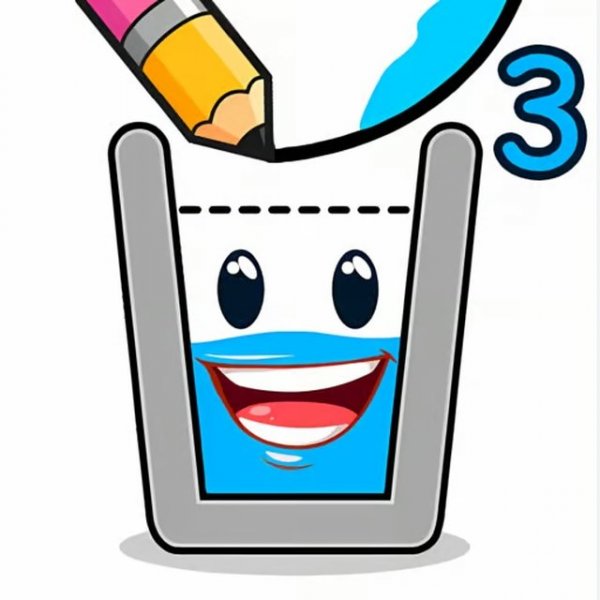
Happy Filled Glass 3 is a water physics puzzle where you draw paths to guide water from a tap into a glass. Avoid obstacles like burning platforms and zero-gravity rays. With over 50 levels, it offers creative challenges for players of all ages.
Reviews
Creative water puzzles with smooth controls. Great for quick brain teasers during breaks.
About this game
Game Introduction
Happy Filled Glass 3 is a puzzle game where the main objective is to guide water from a tap into a glass. The glass becomes happy when it is filled to a certain level. This third installment in the series introduces new obstacles that make the puzzles more challenging, such as platforms that can evaporate water, rotating blocks that alter water flow, and areas with altered gravity. The game is designed to be family-friendly and suitable for players of all ages.
How to Play
To play, you start by selecting a level from the level selection screen. Your goal is to fill the glass with water to a target level. You draw lines or shapes on the screen using your finger or mouse. Water flows from the tap along your drawing into the glass. You must avoid or work around obstacles like burning platforms that evaporate water, objects that speed up water flow, rotating blocks that change water direction, and zero-gravity rays that make water float. Once the glass is filled to the required level, you can advance to the next level.
Game Features
The game features fun water physics that simulate realistic flow and evaporation. It includes creative puzzles that require planning and problem-solving. The gameplay is family-friendly and suitable for all ages. The game offers over 50 levels, providing hours of entertainment. Controls are simple, allowing drawing with a finger or mouse. The game is free to play with no downloads required. It uses HTML5 technology and works on PCs, mobile phones, and tablets. Full-screen mode is available for an immersive experience.
Tips for Success
To succeed in Happy Filled Glass 3, take your time to observe each level's layout before drawing. Plan your drawing path carefully to avoid obstacles that can waste water. Practice regularly to improve your understanding of how water interacts with different obstacles. Try different drawing strategies if your first attempt fails. Learning from each attempt will help you solve puzzles more efficiently.